Swipe carefully this Valentine’s Day
Bank of Ireland is urging consumers to stay alert as romance fraud continues to rise sharply, with cases reported to the Bank doubling in 2025 compared to the previous year. The true scale of the problem may be even higher, as many victims feel too embarrassed or ashamed to report what has happened.
Romance fraud typically begins on social media, dating websites or apps, where criminals build emotional connections before exploiting victims for financial gain.
How romance fraudsters operate:
- Create fake profiles on dating apps, websites, and social media.
- Use elaborate stories, such as working overseas, being in the military, or travelling for a high‑pressure job, to justify why they cannot meet or join a video call.
- Send frequent, intense messages that quickly escalate to declarations of love.
- Request money, often citing medical emergencies, urgent travel needs, family crises or financial hardship – all stories which are designed to trigger sympathy and create pressure.
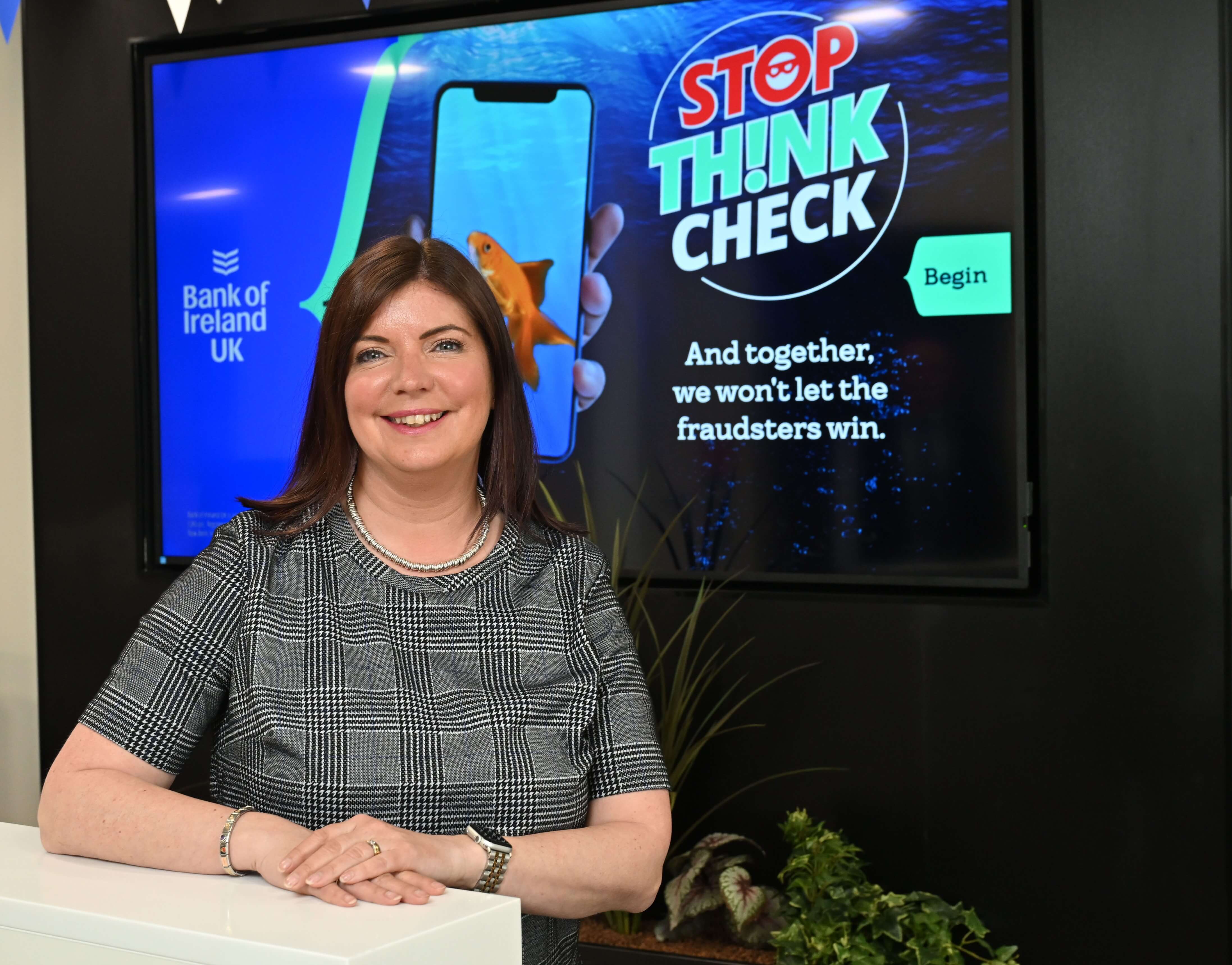
Allison Ewing, Fraud Manager for Education & Awareness at Bank of Ireland UK is reminding consumers to stay alert:
“Romance fraudsters are deeply manipulative. They often create tragic backstories – a dying relative, illness, or financial crisis – to win sympathy. The key message is simple – never send money to someone you’ve only chatted to online.
If an online relationship is moving too fast and suddenly involves money, it’s likely to be fraud. Much of this type of fraud starts through social media platforms, and these companies need to play their part in shutting it down quickly.
It’s also really important that if you think you may have been targeted by a romance scam, speak to your bank. We’re here to help you safely and confidentially.”
How to protect yourself:
Stop:
- Be cautious with new online relationships. Take your time to get to know someone and verify their identity.
- Be wary if you receive a message from a celebrity, these often come with a request for secrecy as it can’t come out in the media, and then an ask for money as their assets are tied up due to legal proceedings. Remember – celebrities don’t tend to message fans for money!
- Never send money to someone you haven’t met in person.
Think:
- Look for warning signs. Be wary of people who avoid video calls or meeting in person and who quickly express their love or ask for financial help.
- Pay attention to inconsistencies in stories.
Check:
- Use reverse image search tools to check if photos have been taken from somewhere or someone else.
- If in doubt, don’t be afraid to chat with a trusted friend or family member.
If you think you’ve been scammed:
- Stop communicating with the individual immediately.
- Report it to your bank, the PSNI, and any relevant platforms such as dating sites or social networks.
Bank of Ireland customers can call the Fraud Team 24/7 on the Freephone line 0800 121 7790 or by dialing 159, the memorable short code number that connects consumers safely with their bank.”
Case study – How romance fraud works:
In a recent Bank of Ireland case, Anne*, a woman in her 60s who had been recently widowed, received what appeared to be a friendly connection request on Facebook. The man who contacted her explained that he, too, had lost his spouse. Over time, their conversations became more personal, and across several months he carefully built trust and emotional connection with Anne.
As the relationship deepened, the individual claimed he was experiencing temporary cash‑flow difficulties in his business. He told Anne he urgently needed funds to repair a broken machine, reassuring her that the issue was short‑term and that he would repay her quickly. Believing she was supporting someone she cared about, Anne agreed to help.
What began as a small transfer soon escalated into repeated requests for more money. Fortunately, Bank of Ireland’s fraud team identified the pattern as a likely romance scam and intervened before further losses occurred.
Anne’s experience is far from unique. Fraudsters deliberately target people who may be feeling lonely, isolated, or simply seeking companionship – using emotional manipulation to create trust, then exploiting that trust for financial gain.
*Name changed for anonymity.