Bank of Ireland warns consumers to pause before paying for holiday accommodation
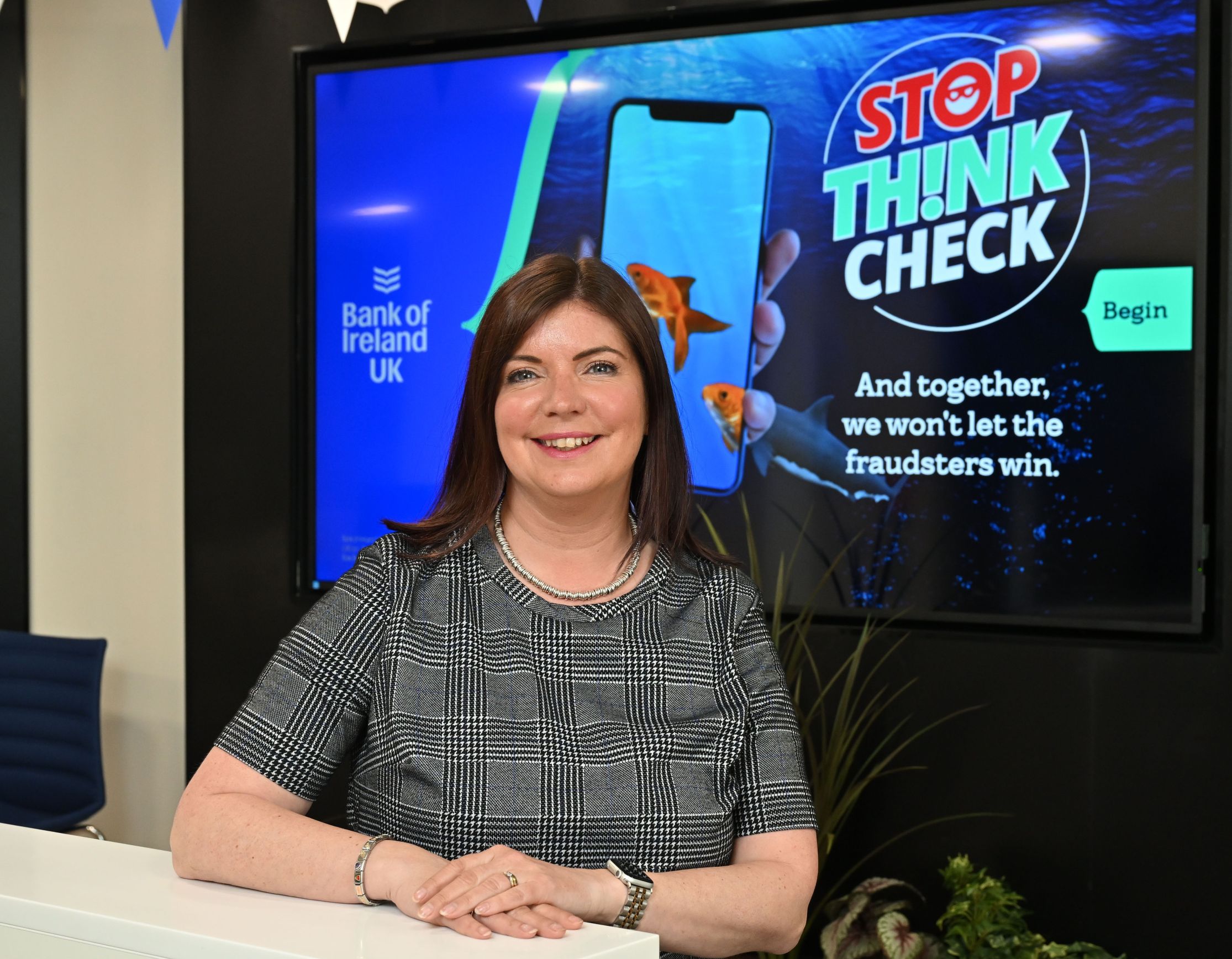
Bank of Ireland is urging consumers to ‘pause before they pay’ when booking holiday accommodation, amid the rise in holiday let scams over the summer months.
These scams typically involve fraudsters advertising properties that either do not exist or are not available, tricking people into making upfront payments. In many cases, the fraud is only uncovered on arrival, leaving victims without accommodation and scrambling to find alternatives at short notice, often in an unfamiliar country where options may be limited.
The warning comes as the bank has seen an increase in both the number of accommodation scam cases and the amount of money lost by customers so far this year compared to the same period in 2025, often running into hundreds of pounds or more.
Allison Ewing, Fraud Manager, Education & Awareness at Bank of Ireland UK, said:
“Holiday scams are costly and upsetting, with some people only discovering the fraud when they arrive at their destination. This often means having to unexpectedly pay for new accommodation, which can be very expensive, as well as dealing with the emotional impact of the fraud and in many cases language barriers too.
We know holidays are hard-earned and something families really look forward to, so it’s important to take a few simple steps to protect yourself. Taking time to Stop, Think and Check before making a payment can make all the difference in reducing the risk of falling victim to an accommodation scam this summer.”
Stop
- Pause before you pay, don’t be rushed into making a payment. Fraudsters often create urgency, for example, by claiming a last-minute cancellation that must be booked immediately.
Think
- Consider whether the offer could be fake. If it seems too good to be true, it probably is.
- Don’t click on links in unsolicited messages requesting payment or claiming a payment issue. Always use official booking websites and keep communication and transactions within trusted platforms.
Check
- Check the web address carefully before booking, look out for small spelling changes, or type the address directly into your browser to avoid fake links.
- Verify the listing and read independent reviews. Search for the property on trusted sites such as Tripadvisor or Trustpilot, rather than relying on links provided by the advertiser.
Remember: If you think you may have been targeted or have fallen victim to fraud, contact your bank immediately using a trusted phone number.
Bank of Ireland’s fraud team is available to support customers 24/7 and can be contacted on the Freephone line 0800 121 7790 or by dialling 159, the memorable short code number that connects consumers safely with their bank.
More advice and information on staying scam aware is available on our Security and Fraud page.